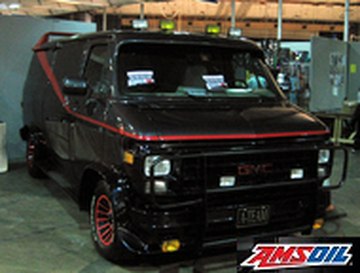
Engine Oil Maintenance for your 1983 Gmc Trucks G1500 VAN
Maintaining the engine of a classic vehicle requires consistent attention to fluid quality and lubrication schedules. For the 1983 Gmc Trucks G1500 VAN with the 5.7L engine, using the correct oil viscosity is a fundamental part of routine care to ensure the internal components remain properly lubricated during operation.
What oil does my 1983 Gmc Trucks G1500 VAN 5.7L take?
For this vehicle, the following 10W-30 options are listed: Signature Series 10W-30 Synthetic Motor Oil (ATMQT-EA), XL 10W-30 Synthetic Motor Oil (XLTQT-EA), and OE 10W-30 Synthetic Motor Oil (OETQT-EA).
Understanding Engine Oil Viscosity
Viscosity refers to a fluid's resistance to flow. In an internal combustion engine, the oil must be thin enough to circulate quickly during a cold start but thick enough to maintain a protective film between moving parts as the engine reaches operating temperature. The 10W-30 rating indicates how the oil behaves in different temperature ranges. The "10W" represents the low-temperature flow characteristics, while the "30" represents the high-temperature viscosity when the engine is hot.
Choosing an oil that matches the requirements for your specific engine helps prevent premature wear on bearings, lifters, and other critical components. When selecting a product, ensure it meets the weight requirements specified for your application to maintain consistent oil pressure throughout the engine's operation cycle.
Monitoring Oil Levels Regularly
One of the most important maintenance tasks for any vehicle owner is checking the engine oil level frequently. Even in a well-maintained engine, small amounts of oil consumption can occur over time. Checking the dipstick allows you to verify that the oil level remains within the safe operating range.
It is best practice to check the oil level when the engine is cool and the vehicle is parked on a level surface. If the oil level appears low, it is necessary to add more oil of the same type used previously to avoid mixing different formulations. Regularly monitoring this level can help identify potential leaks or unusual consumption patterns before they lead to mechanical issues.
Inspecting Oil for Contamination
The condition of the oil itself provides valuable information about the health of the engine. When performing an oil check, observe the color and texture of the fluid on the dipstick. Fresh oil typically has a clear or light amber appearance. If the oil appears excessively dark, gritty, or contains visible particles, it may indicate that the oil has reached the end of its effective life or that there is internal engine wear occurring.
Additionally, if the oil has a milky or frothy appearance, this can be a sign of moisture or coolant entering the lubrication system. Such contamination can compromise the ability of the oil to protect engine components and should be addressed immediately by a professional.
The Role of Oil Filters
Engine oil does not work alone; it relies on a filtration system to remove contaminants such as carbon deposits, metal shavings, and dust that enter the engine during operation. As oil circulates, the filter captures these particles to prevent them from being recirculated through sensitive engine passages.
A clogged or restricted filter can impede oil flow, potentially leading to reduced lubrication or increased pressure within the system. While specific replacement intervals vary based on driving conditions and manufacturer recommendations, ensuring that the filter is replaced during every oil service is a standard part of maintaining engine integrity.
Following Manufacturer Maintenance Schedules
To ensure the longevity of your 1983 Gmc Trucks G1500 VAN, it is essential to adhere to the maintenance guidelines provided by the manufacturer. While general automotive wisdom provides a baseline for care, the specific requirements for your vehicle's engine and components are best addressed by following the official owner's manual or the manufacturer-recommended service schedule.
These schedules provide guidance on when to perform oil changes, filter replacements, and other fluid inspections. Following these intervals helps maintain the vehicle in its intended operating condition and can assist in preventing unexpected mechanical failures caused by neglected maintenance.
BUYING ENGINE OIL
When you are ready to purchase lubrication for your vehicle, look for products that match the required viscosity for your 5.7L engine. You may choose from various formulations, such as the Signature Series, XL, or OE options listed for this application. Always verify that the product packaging explicitly states it meets the necessary specifications for your specific year and model to ensure proper performance.